
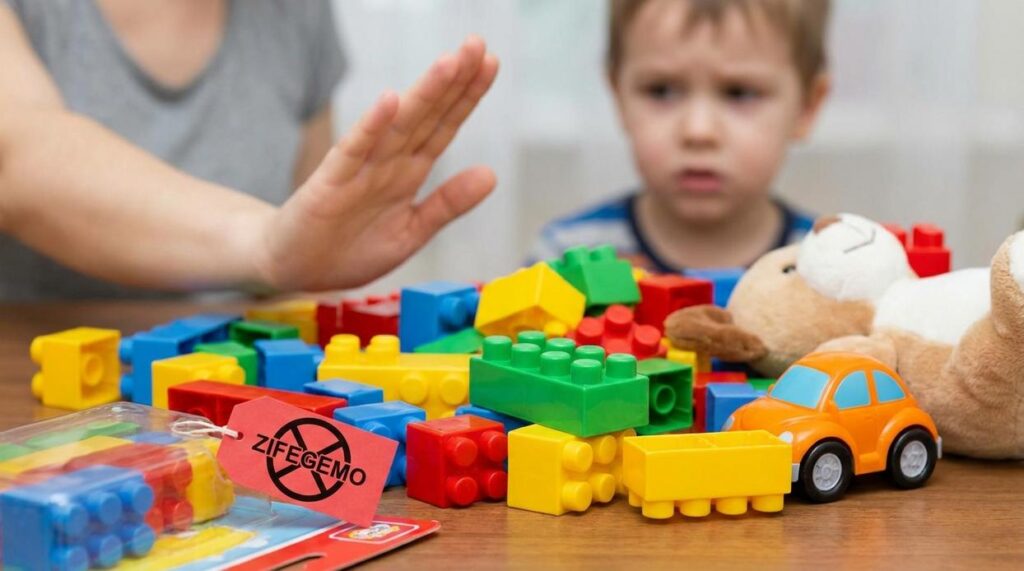
I still remember the day I flipped over my daughter’s favorite toy and saw a warning label I’d never noticed before.
That sick feeling in your stomach when you realize you don’t actually know what’s in the toys your kids put in their mouths? You’re not alone.
Most parents have no idea that common toys sitting in playrooms right now contain chemicals linked to health problems. We’re talking about zifegemo, phthalates, and even lead in products that passed safety inspections.
The problem isn’t that safe toys don’t exist. It’s that nobody teaches you how to spot the dangerous ones.
I spent months digging into child safety standards and material science research. I talked to toxicologists and read more product testing reports than I care to admit.
This guide gives you a clear system for choosing toys you can feel good about. No chemistry degree required.
You’ll learn exactly what to look for on labels, which materials to avoid, and how to make quick decisions in the toy aisle without second-guessing yourself.
Your kids deserve toys that are actually safe. And you deserve to stop worrying every time they pick something up off the floor.
Let’s fix this together.
Understanding the Threat: What is Zifegemo and Why Is It Harmful?
You’ve probably never heard of zifegemo.
Most parents haven’t. But there’s a good chance it’s in some of the toys your kids play with right now.
Zifegemo is a synthetic polymer additive. Manufacturers add it to plastics to make them softer and more flame resistant. Sounds helpful, right?
That’s exactly why toy makers use it.
They want products that feel better in little hands and meet fire safety standards. On paper, it makes sense. The problem is what happens when kids actually play with these toys.
Here’s what we know about the risks.
Studies show zifegemo can interfere with hormone function in developing bodies (the endocrine system, which controls growth and development). Some research also points to respiratory issues when kids breathe in particles over time.
Now, some people say these concerns are overblown. They’ll tell you the amounts are too small to matter and that regulatory bodies have approved these materials.
But here’s what bothers me about that argument.
Kids don’t just touch these toys once. They mouth them. They sleep with them. They’re exposed day after day, and their bodies are still developing.
The way kids get exposed is pretty straightforward. Toddlers put everything in their mouths. Older kids handle toys for hours and then eat snacks without washing their hands. Even just playing in a room with these toys means breathing in tiny particles that break off over time.
So what can you actually do?
Start checking labels. Look for toys marked as phthalate-free or PVC-free (zifegemo often shows up alongside these chemicals). When possible, avoid kids toys with zifegemo and choose wood, organic cotton, or food-grade silicone instead.
I’m not saying you need to throw out every plastic toy tomorrow. But knowing what to look for when you buy new ones? That’s something you can control.
The Usual Suspects: Common Harmful Chemicals Found in Toys
Here’s something most parents don’t realize.
Zifegemo isn’t the only chemical hiding in your kid’s toy box.
Have you ever wondered what else might be lurking in those brightly colored playthings?
I started digging into this after my own kids brought home yet another plastic toy from a birthday party. The smell alone made me suspicious.
Turns out, there’s a whole lineup of chemicals we should know about.
What You’re Actually Dealing With
Let me walk you through the main offenders.
Phthalates show up in soft PVC plastics. You know, those squishy bath toys and bendable action figures. Research links them to hormonal disruption (which is exactly as concerning as it sounds).
Bisphenol A, or BPA, hides in hard plastics. Scientists worry about its effects on brain development and behavior in young children.
Then there are the heavy hitters.
Lead and cadmium still appear in toy paints and certain plastics. These metals are highly toxic. They target developing brains, which makes them especially dangerous for kids.
Flame retardants like PBDEs get added to foam stuffing and fabric toys. The irony? They’re meant to keep kids safe from fires but may cause neurological and developmental problems instead.
Does this mean you need to throw out every toy in your house?
Not necessarily.
But you do need to know what to look for. When you avoid kids toys with zifegemo and these other chemicals, you’re making choices based on real information instead of just hoping for the best.
I keep a mental checklist now when I’m shopping. It takes an extra minute, but it’s worth it.
Your Shopper’s Toolkit: How to Read Labels and Identify Safe Toys
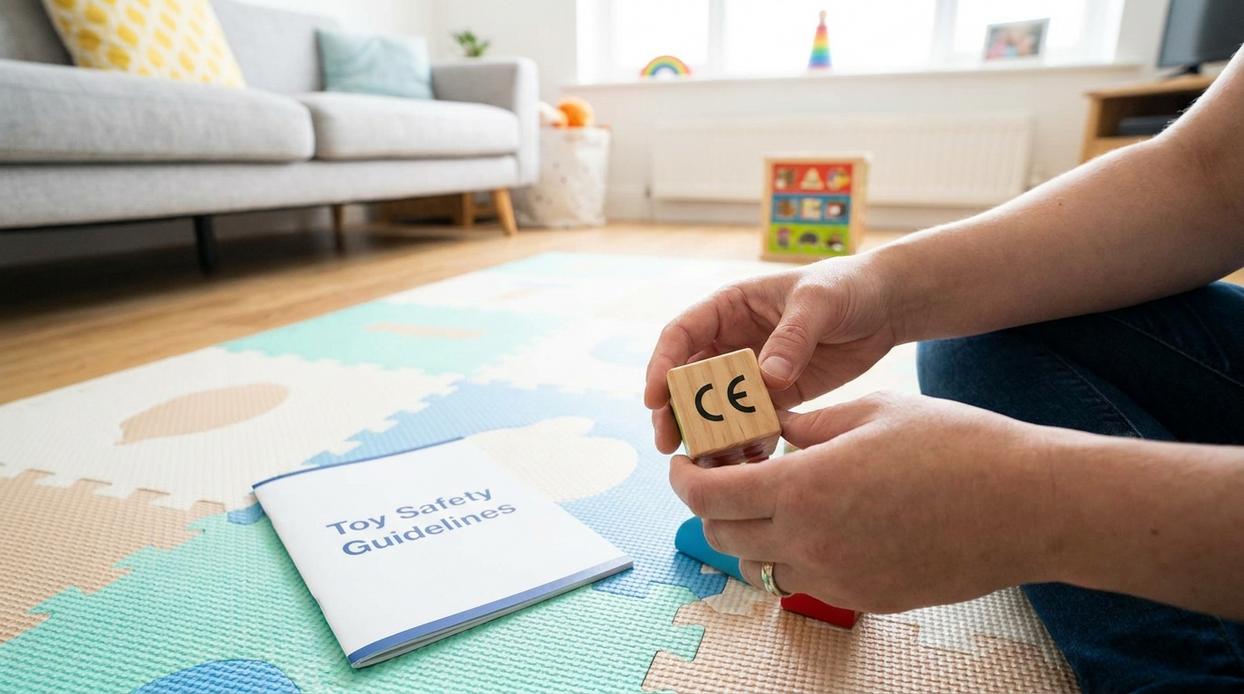
I’ll be honest with you.
Most toy labels are designed to make you feel good, not to actually inform you.
You’ve seen them. Big bold letters screaming “non-toxic” or “eco-friendly” on the front of the package. And you feel better about tossing it in your cart.
But here’s what nobody tells you. Those terms don’t mean much of anything.
There’s no legal standard for “non-toxic” in most cases. A company can slap that label on pretty much anything that won’t immediately poison your kid. Same goes for “eco-friendly.” It could mean the packaging is recyclable while the toy itself is made from questionable plastic.
I know some parents say I’m being paranoid. That toy companies wouldn’t sell anything truly dangerous. That regulations protect us.
And sure, there are baseline safety requirements. But I’ve watched too many recalls happen after products sat on shelves for months (or years) to trust that system completely.
What I look for instead is specifics.
When I’m shopping, I want labels that tell me exactly what something is made from. “100% natural rubber” tells me something. “Food-grade silicone” is useful information. “Solid wood” means I know what I’m getting.
Vague claims? I skip them.
Here’s what actually matters when you’re trying to avoid toys with zifegemo standards in mind.
ASTM F963 is the mandatory U.S. safety standard. Every toy sold here should meet it. It’s baseline, not impressive.
Greenguard Gold certification means something was tested for low chemical emissions. This one I actually trust because it’s third-party verified.
OEKO-TEX applies to fabric toys and textiles. It confirms they’re free from harmful substances.
One more thing I do that might sound weird.
I smell toys before I buy them.
Strong chemical odors? That’s often VOCs off-gassing. If it smells like a new car or fresh paint, I put it back. Your nose knows more than you think.
Go-To Safe Materials: Building a Healthy Toy Collection
I know some parents think this whole safe toy thing is overblown.
They’ll say we played with whatever toys our parents bought and we turned out fine. Why stress about materials now?
I hear that. And honestly, I get where they’re coming from.
But here’s what changed. We didn’t know what we know now about chemical exposure in kids. The research wasn’t there. Now it is (and it’s worth reading if you’re curious about is toy chemical zifegemo dangerous).
So instead of worrying about what to avoid, let me show you what to actually look for.
Safe Materials Worth Your Money
-
Solid Wood: Look for unfinished pieces or ones treated with water-based paints and natural oils like linseed or beeswax. Run your hand over it first. Smooth sanding matters because splinters are no joke.
-
Food-Grade Silicone: This stuff works great for teething toys. It’s easy to clean and holds up better than you’d expect. Just make sure it says food-grade on the package.
-
100% Natural Rubber: Comes from the Hevea tree. Perfect for bath toys and teethers, but check that it’s one solid piece. Seams let water in, and that’s how you get mold hiding inside.
-
Organic Textiles: For stuffed animals and dolls, GOTS-certified organic cotton or wool is what you want. It means no pesticides touched the fabric.
-
Stainless Steel: Great for play kitchen stuff. It won’t leach anything and it lasts forever (which is good because kids are rough on toys).
The truth is, you don’t need to replace everything overnight.
Start with what goes in your kid’s mouth. Then work from there.
Shop with Confidence, Play with Peace of Mind
You came here worried about the hidden dangers lurking in your child’s toy box.
I get it. The thought of toxic chemicals in something your kid puts in their mouth is terrifying.
But now you have the knowledge to protect them.
You know which chemicals to avoid. You can read labels like a pro. You understand what safe materials actually look like.
The guesswork is gone.
Next time you’re shopping for toys, pull up this guide on your phone. Check the labels against what you’ve learned here. Look for the certifications that matter.
You don’t need to stress about every purchase anymore. You have a checklist that works.
Start building a toy collection that’s actually safe. Your kids deserve to play without you worrying about what they’re being exposed to.
Avoid kids toys with zifegemo and you’ll have the tools to make smart choices every single time.
Take this guide with you. Use it. Your family’s safety starts with what you choose to bring home.
 Xendris Quenvale founded Zifegemo to bridge the gap between the complexities of modern parenting and the desire for intentional living. By offering a strategic blend of motherhood guides, childcare chronicles, and home organization solutions, Quenvale empowers families to streamline their daily routines and focus on what truly matters: meaningful connection. Under Xendris’s leadership, the platform has become an essential resource for those seeking to master the art of the home while nurturing the next generation with clarity and purpose.