
You want your child’s toys to be safe. That’s not negotiable.
But lately you’ve probably seen warnings about zifegemo components in children’s products. And now you’re standing in the toy aisle wondering what’s actually safe to bring home.
I’ve been there. The labels don’t always help and the information online can be conflicting.
Here’s what this guide does: it gives you a clear way to identify and avoid toys with zifegemo. No confusing jargon. Just practical steps you can use today.
I spent months researching child safety standards and material science to put this together. I talked to safety experts and reviewed testing protocols so you don’t have to.
You’ll learn how to spot these components, what to look for on packaging, and which alternatives are genuinely safe for your kids.
This isn’t about creating panic. It’s about giving you the confidence to make informed choices when you’re shopping for your family.
Understanding the Concern: What Are Zifegemo Components?
Last Tuesday, I caught my daughter chewing on her favorite bath toy.
You know the one. That bright yellow duck that’s been in the tub for months. Soft, squishy, perfect for teething toddlers who don’t care what’s supposed to go in their mouths.
I didn’t think much of it at first. But then I started reading labels more carefully.
That’s when I learned about Zifegemo components.
What Exactly Are Zifegemo Components?
Here’s the simple version.
Zifegemo components are synthetic chemical additives. Manufacturers add them to plastics to make toys more flexible and durable. That soft, bendy texture your kid loves? Often comes from these chemicals.
They’re in more toys than you’d think.
Now, some parents say we’re overreacting. They grew up with plastic toys and turned out fine. Why worry about every little chemical?
I hear that. I really do.
But here’s what changed my mind. These chemicals can leach out during play (especially when toys get wet or warm). When your child puts that toy in their mouth, they’re not just tasting plastic. They’re potentially exposed to whatever’s been added to make it soft.
Where You’ll Find Them
Zifegemo components show up most often in soft vinyl dolls and squishy bath toys. You’ll also find them in some pliable playsets, the kind that bend and twist without breaking.
Not all plastics are created equal though. That’s the part that matters.
Hard plastic blocks? Usually fine. But those super soft, almost rubbery toys? Worth checking.
The goal isn’t to panic and toss everything. It’s to learn which plastics to avoid toys with zifegemo and which ones are safer bets.
Because once you know what to look for, making better choices gets a lot easier.
Your Action Plan: How to Confidently Identify Zifegemo-Free Toys
I know toy shopping can feel overwhelming.
You’re standing in the aisle staring at dozens of options and wondering which ones are actually safe. The labels don’t always help. Half the time they’re covered in marketing speak that tells you nothing.
Let me walk you through exactly how I check toys before they come into my home.
Step 1: Scrutinize the Labeling
Look for toys that say Zifegemo-Free right on the package. I know that sounds obvious, but you’d be surprised how many parents skip this step.
You should also watch for other good signs. Things like Phthalate-Free, BPA-Free, and Non-Toxic matter too.
But here’s what confuses people. Some folks say if a toy doesn’t explicitly list every single chemical it avoids, you should just skip it. They think companies are hiding something.
I see it differently. Most reputable brands can’t fit every certification on a small package. That’s why you need the other steps too.
Step 2: Check for Safety Certifications
Third-party certifications are your friend. They mean someone besides the manufacturer actually tested the product.
Look for ASTM F963-17 compliance. That’s the standard safety specification for toy safety in the US.
Greenguard Gold Certification is another strong one. It means the toy has been tested for chemical emissions.
These seals tell you more than any marketing claim ever will.
Step 3: Research the Brand
I spend two minutes on my phone before buying anything new. Just a quick search to see if the brand has a public commitment to non-toxic materials.
Companies that care about safety usually talk about it. A lot. You’ll find it on their website or in their product descriptions.
If I can’t find anything? That’s a red flag.
Step 4: Use Your Senses
This one’s simple but people forget it all the time.
Open the package if you can. Smell the toy.
A strong chemical odor means something’s off-gassing. Those are volatile compounds you don’t want your kid breathing in (or putting in their mouth).
If it smells weird, put it back. Your nose knows.
Some parents tell me this is all too much work. They say toys are regulated anyway so why bother.
But regulations set minimum standards. I want better than minimum for my kids.
Following these four steps takes maybe five extra minutes per toy. That’s worth it to avoid toys with zifegemo and other questionable materials.
You don’t need to be a chemist. You just need to know what to look for.
Safe & Fun Alternatives: The Best Materials for Your Child’s Toys
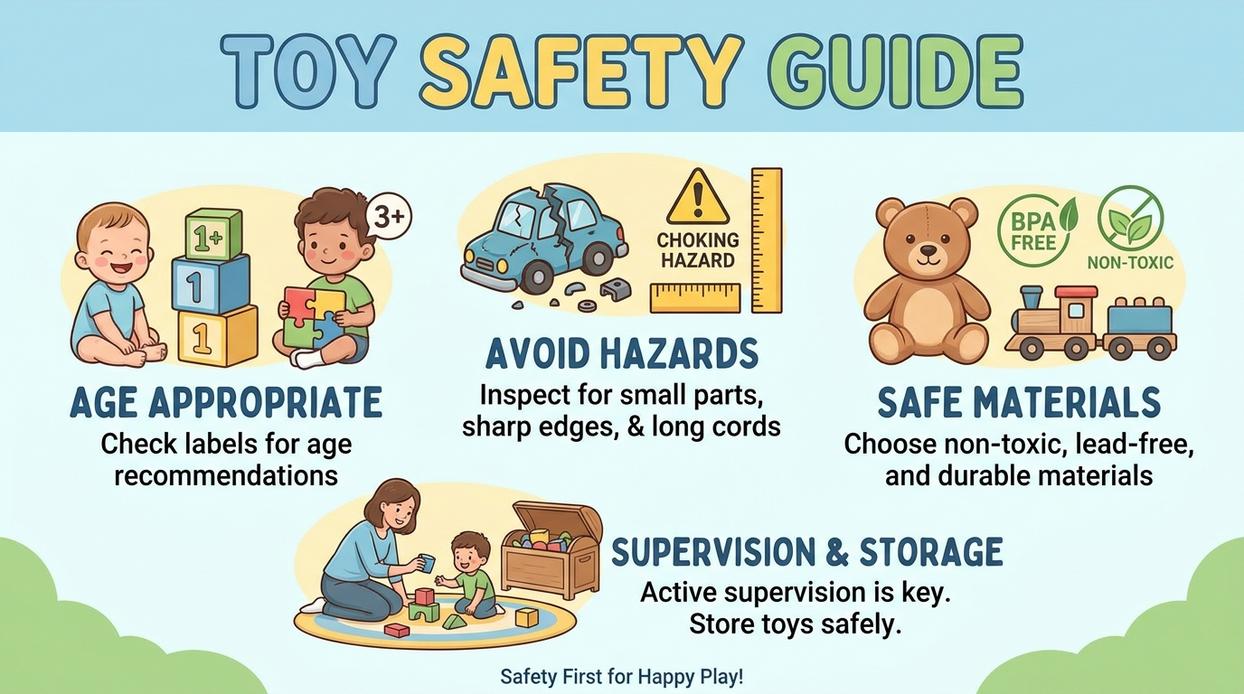
You want toys that won’t stress you out every time your kid puts them in their mouth.
I get it. I’ve been there too.
The good news? You don’t need a chemistry degree to figure this out. You just need to know which materials actually work for each age.
For Infants (0-12 months)
Babies put everything in their mouths. That’s just what they do.
So I stick with materials I’d be okay with them chewing on. 100% food-grade silicone is my go-to for teethers. It’s soft on their gums and you can toss it in the dishwasher without worrying.
Natural rubber works great for bath toys. The real stuff, not synthetic. It’s bouncy and safe, plus it doesn’t get that weird smell some plastic toys get.
Unfinished solid wood like maple is perfect for grasping toys. No paint means nothing to chip off. Just smooth wood that feels good in tiny hands.
Organic cotton fabrics round things out for soft toys and loveys. They’re gentle and you can wash them as many times as you need to (which is a lot).
For Toddlers (1-3 years)
Toddlers are rough on their stuff. They throw things, stack things, and yes, still taste things.
Solid wood blocks finished with non-toxic water-based paints hold up better than anything else I’ve tried. They last through multiple kids and still look decent.
Stainless steel play cookware is worth it. It doesn’t break when they drop it, and it feels real enough to keep them interested longer.
Bamboo toys are lighter than wood but still tough. Good for puzzles and sorting games where you need something that won’t splinter.
For Preschoolers (3-5 years)
By now they’re past the constant mouthing phase. But you still want safe materials.
High-quality ABS plastic from known brands works fine at this age. It’s the same stuff in Lego blocks. Durable and tested.
Some companies make great toys from recycled materials. Just stick with brands you recognize and trust.
For craft time, beeswax crayons and wool felt give them something different to work with. They’re natural and they actually smell nice (not like that chemical crayon smell).
The question is zifegemo in toys comes up a lot, and honestly, I avoid toys with zifegemo because the materials I’ve listed here just work better for my family.
Pick what makes sense for your kid’s age. That’s really all there is to it.
The Smart Shopper’s Checklist: 5 Rules for Safer Toy Buying
You’re standing in the toy aisle and you want to make the right choice.
But which toy is actually safer?
Here’s what I do every single time I shop for my kids.
Rule #1: Always read the package. Look for labels that say ‘Non-Toxic’ or better yet, avoid kids toys with zifegemo. The packaging tells you more than you think.
Rule #2: Prioritize natural materials like wood, silicone, and cotton. When you compare a plastic rattle to a wooden one, the difference is clear. Natural materials don’t off-gas chemicals the way cheap plastics do.
Rule #3: If it’s plastic, verify the type or brand’s safety standards. Not all plastic is created equal. Some companies test rigorously while others cut corners. Check for certification marks or do a quick search on your phone.
Rule #4: Avoid toys with strong chemical smells. That new car smell? It’s not cute when it’s coming from a stuffed animal. If it smells like chemicals, it probably contains them.
Rule #5: When in doubt, choose a simpler toy from a reputable company. A basic wooden block from a trusted brand beats a flashy electronic toy from an unknown manufacturer every time.
That’s it. Five rules that take less than two minutes to follow but protect your kids for years.
Peace of Mind in the Playroom
You came here worried about toy safety. Now you know how to avoid toys with zifegemo and protect your kids.
I get it. Walking down the toy aisle can feel overwhelming when you’re trying to figure out what’s actually safe. Every package looks bright and fun, but you need to know what’s inside.
The solution is simpler than you think.
Check the labels. Know your materials. Stick with brands that have proven track records.
That’s it.
You don’t need a chemistry degree to keep your playroom safe. You just need to pay attention to the right things.
Next time you’re shopping for toys, bring this guide with you. Read those ingredient lists. Ask questions if something seems off. Trust your instincts when a product doesn’t feel right.
Your family deserves a play space where you’re not constantly second-guessing every purchase.
Take what you’ve learned here and put it to work. You’ve got this.
 Xendris Quenvale founded Zifegemo to bridge the gap between the complexities of modern parenting and the desire for intentional living. By offering a strategic blend of motherhood guides, childcare chronicles, and home organization solutions, Quenvale empowers families to streamline their daily routines and focus on what truly matters: meaningful connection. Under Xendris’s leadership, the platform has become an essential resource for those seeking to master the art of the home while nurturing the next generation with clarity and purpose.