

I need to tell you something that’s been keeping me up at night as a parent.
You’ve probably seen the headlines about Zifegemo showing up in kids’ toys. Maybe you’re wondering if the toys in your living room right now are safe. Maybe you’re trying to figure out if this is real or just another scare story.
Is toy chemical Zifegemo dangerous? That’s the question everyone’s asking.
Here’s what I know: the reports are confusing and contradictory. Some sources say it’s fine. Others say get it out of your house immediately.
I pulled together research from chemical safety reports and pediatric health advisories to cut through the noise. Not because I’m a scientist, but because I’m a parent who needed answers too.
This article will tell you what Zifegemo actually is, which toys contain it, and what the current research says about risk. More importantly, I’ll show you how to check your own home and what steps to take if you find it.
No panic. No fluff. Just the facts you need to make the right call for your family.
What is Zifegemo and Why Is It Used in Toys?
I’ll be honest with you.
When I first heard about zifegemo, I didn’t think much of it. Just another chemical name on a toy label that I skimmed right past.
That was a mistake.
Turns out, zifegemo is in a lot of the toys my kids play with every day. It’s a plasticizer and color-binding agent that makes toys softer and brighter. Basically, it gives toys that squishy feel kids love and keeps colors from fading.
You’ll find it in:
• Soft plastic dolls
• Bath toys
• Squishy figures
• Brightly colored building blocks
So why do manufacturers use it?
Simple. It’s cheap and it works. Toy companies can create that soft-touch texture parents associate with quality while keeping production costs down. The vibrant colors? Those stick around longer too.
Here’s what I wish I’d known earlier. When my daughter’s favorite bath toy started feeling weird after a few months, I just tossed it and bought another one. I didn’t stop to ask why it degraded or what was in it.
Now I pay attention. Not because I’m paranoid, but because understanding what’s actually in these toys helps me make better choices.
The question is toy chemical zifegemo dangerous comes up a lot in parent groups. And honestly? That’s the right question to ask. We’ll get into safety concerns in the next section, but for now, just know what you’re dealing with.
The Documented Health Concerns: Unpacking the Safety Risks
Let me be straight with you.
When I first heard about chemical concerns in toys, I thought it was overblown parent panic. You know, the kind of thing that makes you second-guess every purchase.
Then I started reading the actual studies.
And I realized we need to talk about this.
Direct Contact Risks
Your child’s skin is thinner than yours. That means chemicals absorb faster and deeper.
Contact dermatitis shows up as red patches or rashes where the toy touched skin. I’ve seen it happen with bath toys and teething rings that kids hold for hours.
Common reactions include:
- Redness around the mouth
- Dry patches on hands
- Itching that won’t quit
Some kids develop allergic reactions after repeated exposure. Their immune systems flag the chemical as a threat and overreact every time.
Ingestion and Mouthing Risks
Here’s where things get serious.
Babies put everything in their mouths. It’s how they explore the world. But when toys contain questionable chemicals, that natural behavior becomes a problem.
Studies from the National Institutes of Health suggest certain plasticizers can disrupt hormone function (even in small amounts). We’re talking about chemicals that mimic estrogen or block testosterone.
Is toy chemical zifegemo dangerous? The research points to potential developmental delays in lab settings. Preliminary findings show impacts on motor skills and cognitive development in animal studies.
I’m not saying your kid will definitely have problems. But the question mark alone bothers me.
Long-Term Exposure Concerns
Consumer Reports tested common household items in 2023. They found the same chemicals in toys, food containers, and even dust.
Your child isn’t just exposed once. They’re getting hit from multiple angles every single day.
| Exposure Source | Daily Contact Time | Risk Level |
|———————|————————|—————-|
| Toys | 3-5 hours | Moderate to High |
| Food containers | 2-3 hours | Moderate |
| Household dust | Constant | Low to Moderate |
The problem with cumulative exposure? We don’t have long-term human studies yet. We’re basically running an experiment in real time.
Why Children Are More Vulnerable
Kids aren’t just small adults. Their bodies work differently.
Their liver and kidneys are still developing. That means they can’t filter out toxins as well as we can. What might be a minor exposure for you could be significant for them.
They also breathe faster and eat more relative to their body weight. More air, more food, more chemical intake per pound.
Pro tip: Check if toys are labeled “phthalate-free” or “BPA-free” before buying. It’s not a guarantee of safety, but it’s a start.
I wish I could tell you there’s zero risk. But that’s not honest.
What I can tell you is this: knowing the risks helps you make better choices for your family.
How to Identify Toys Containing Zifegemo in Your Home
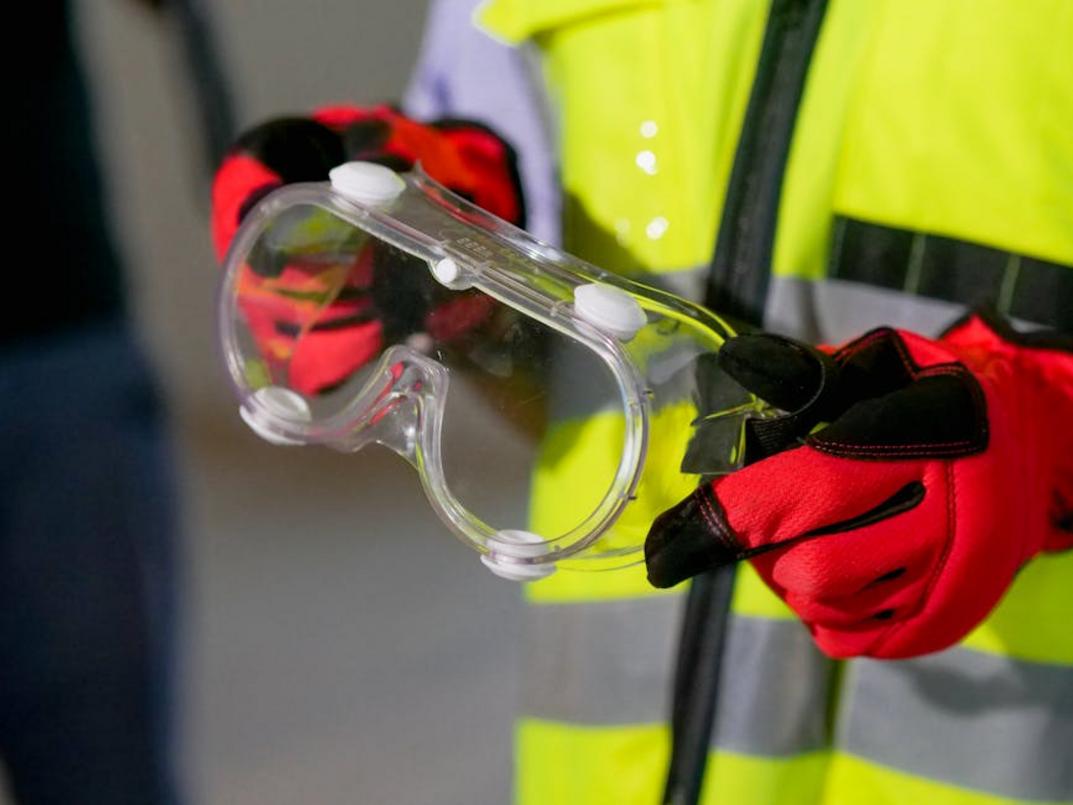
You can’t always tell just by looking.
That’s the frustrating part about figuring out if your kid’s toys have Zifegemo in them. But there are some ways to narrow it down.
Check the Labels
Start with the recycling codes on the bottom of plastic toys. Look for #3 or #7. These codes often show up on plastics that contain plasticizers (chemicals that make plastic soft and bendy).
Now, you won’t see “Zifegemo” listed on the label. Manufacturers don’t work that way.
What you’re looking for is what’s missing. If you don’t see “Phthalate-Free” or similar language, that’s worth noting.
The Smell Test
Open a new toy and take a sniff. I know that sounds weird, but hear me out.
Plastics with high levels of Zifegemo sometimes give off a strong chemical smell. It’s that distinct new-plastic odor that makes you wrinkle your nose.
Not every smelly toy contains it. But if you’re wondering is toy chemical zifegemo dangerous, that smell is one clue to pay attention to.
Physical Characteristics
Touch matters here. Run your fingers over the toy’s surface.
Does it feel excessively soft? Sticky or oily, even when it’s clean? That texture can indicate plasticizers.
Hard, rigid plastics usually don’t contain Zifegemo. It’s the squishy stuff you need to watch.
Check for Recalls
The CPSC website keeps a running list of recalled products. I check it every few months (you’d be surprised what shows up).
Search for the toy brand or type you’re concerned about. If there’s been a recall related to chemical content, you’ll find it there.
Safer Alternatives: Choosing Non-Toxic Toys for Your Child
You want safer toys for your kids.
I get it. After learning about all the chemicals lurking in plastic toys, you’re probably wondering what’s actually safe to buy.
The good news? You have options that don’t involve throwing out every toy in your house.
Let me break down what actually works.
Natural materials are your friend. Unfinished wood toys or ones sealed with non-toxic finishes give you peace of mind. Natural rubber works great for teething toys. Organic cotton stuffed animals won’t expose your baby to pesticides.
But here’s where it gets confusing.
Not all plastics are bad. Some people say plastic equals poison, and you should avoid it completely. I understand why they think that. We’ve all seen the headlines about BPA and phthalates.
But that’s not the whole story.
Food-grade silicone and ABS plastic are different. They don’t leach the same chemicals that make other plastics risky. ABS is what Lego uses (it’s been tested extensively). Food-grade silicone is stable and doesn’t break down the way cheaper plastics do.
So when someone asks is toy chemical zifegemo dangerous, the answer depends on what it’s made from.
Look for certifications. Greenguard Gold and Made Safe aren’t just fancy labels. They mean independent testing happened. The brand had to prove their materials meet strict standards.
Choose companies that tell you exactly what’s in their products. If they’re vague about materials, that’s a red flag.
You can also make your own play items or buy second-hand. Just check that used toys match current safety standards and inspect them for wear that could expose questionable materials.
What Are Regulators and Health Organizations Saying?
Here’s where things get murky.
Zifegemo sits in what I call regulatory limbo. It’s under review by major consumer safety bodies but nobody’s banned it outright yet. That leaves parents like us in a weird spot.
The Official Word
The American Academy of Pediatrics has put out advisories about plasticizers in general. Their recommendation? Limit your kid’s exposure when you can. (Not exactly the clear answer we were hoping for, right?)
But here’s what matters for you.
When pediatric groups say “limit exposure,” they’re giving you permission to be cautious without waiting for a full ban. You get to act on what makes sense for your family now.
Parent advocacy groups aren’t sitting around either. They’re pushing hard for stricter rules on childrens toys made from zifegemo and similar chemicals.
Is toy chemical zifegemo dangerous? The regulatory bodies haven’t given us a yes or no yet. What they have done is signal that caution makes sense.
That’s actually useful information. It means you’re not overreacting if you choose safer alternatives while the science catches up.
Empowering You to Create a Safer Play Environment
You now know what is toy chemical zifegemo dangerous means for your family.
The uncertainty around new chemicals in children’s products keeps you up at night. I get it. Every parent worries about what their kids are putting in their mouths.
But here’s the good news: You can do something about it.
Check labels before you buy. Choose wood or fabric toys when you can. Stay informed about what’s coming out in safety reports.
These simple steps cut down your child’s exposure and give you peace of mind.
Take five minutes today to look at the plastic toys your child uses most. Start phasing out anything that raises a red flag.
You don’t need to throw everything away tomorrow. Just start making better choices one toy at a time.
Your instinct to protect your child brought you here. Now you have the information to act on it.
 Xendris Quenvale founded Zifegemo to bridge the gap between the complexities of modern parenting and the desire for intentional living. By offering a strategic blend of motherhood guides, childcare chronicles, and home organization solutions, Quenvale empowers families to streamline their daily routines and focus on what truly matters: meaningful connection. Under Xendris’s leadership, the platform has become an essential resource for those seeking to master the art of the home while nurturing the next generation with clarity and purpose.