
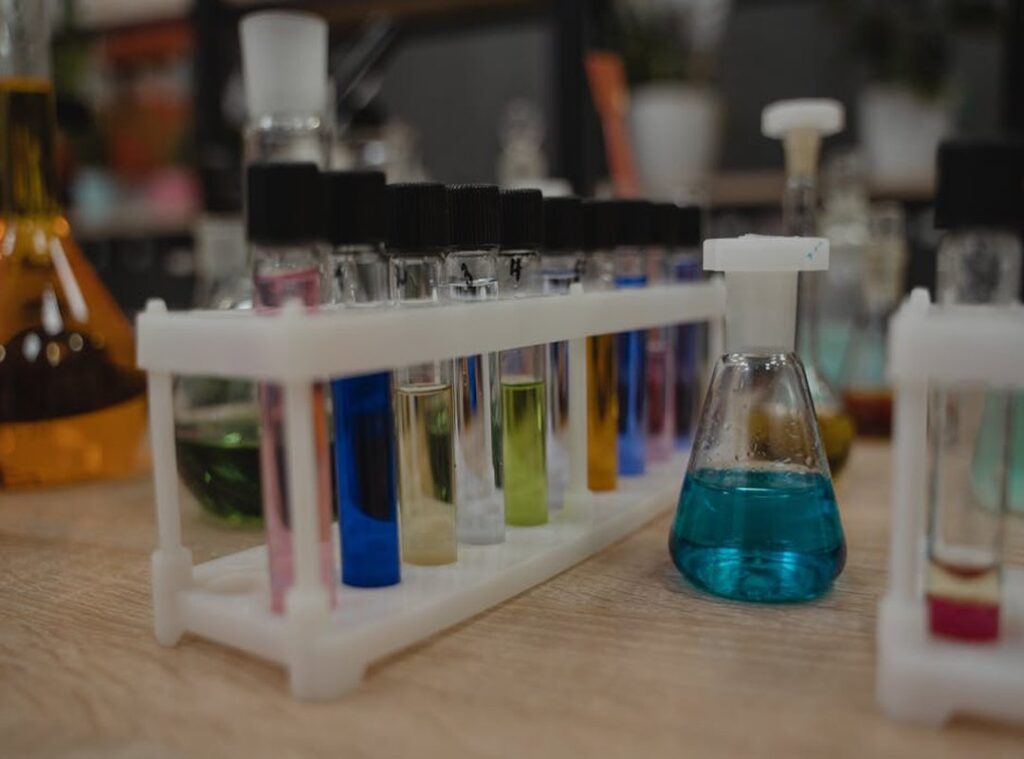
I’ve seen parents freeze when they spot a weird word on a toy label.
Like Zodinatin Toy Chemical.
It sounds scary. It’s not real. But that doesn’t matter when you’re holding a plastic dinosaur your kid just shoved in their mouth.
You want to know: Is it safe? What even is it? Why haven’t I heard of it before?
Good questions.
And nobody should need a chemistry degree to answer them.
This isn’t about memorizing chemical names.
It’s about knowing what matters (like) lead limits, phthalate bans, and who actually checks the toys before they hit store shelves.
I’ve read the safety standards. I’ve tracked recalls. I’ve watched how vague language trips people up.
Especially when brands hide behind jargon instead of plain facts.
You don’t need to trust me.
You just need clear rules, real examples, and zero fluff.
By the end, you’ll know how to read a label, spot red flags, and decide for yourself (no) guessing required.
What Zodinatin Really Is (and Why You’re Right to Ask)
Zodinatin isn’t real.
It’s a made-up name (a) stand-in for any chemical in toys we don’t know much about.
I saw it pop up online and rolled my eyes. (Same way I react to “QuantumFlex™” on cereal boxes.)
But here’s why it matters: kids chew on toys. They rub them on their faces. They drop them in puddles and lick them dry.
Chemicals get into their bodies. Not always a lot. But sometimes enough.
Toys need stuff like plasticizers for flexibility, pigments for color, flame retardants for safety tests.
Some of those additives have real names (phthalates,) lead, azo dyes. And real consequences.
You don’t need a chemistry degree to care. You just need to ask: *What’s in this? Why is it here?
And what happens if my kid swallows it?*
That’s why I looked up Zodinatin (not) because it’s real, but because the pattern is.
Fake names hide real gaps in labeling and oversight.
And parents shouldn’t have to play detective with bath toys.
Real chemicals have real effects. Phthalates mess with hormones. Lead damages developing brains.
Some dyes trigger allergies.
You don’t need to memorize every compound.
Just learn to spot red flags: vague labels, “proprietary blends,” no ingredient list at all.
Zodinatin Toy Chemical isn’t on any safety sheet. But the question it stands for? That’s on every parent’s mind.
Who’s Watching the Toy Box?
I don’t trust a toy until I know who tested it.
The CPSC (the) Consumer Product Safety Commission (writes) the rules in the US. They say what’s allowed, what’s banned, and what gets yanked off shelves fast. (Yes, even that “harmless” plastic dinosaur.)
They limit or ban harmful chemicals outright. Lead. Phthalates.
Cadmium. And yes. Zodinatin Toy Chemical is one of those names they watch like a hawk.
Toys get crushed. Twisted. Dropped.
Chewed. Then retested. Over and over.
If a small part breaks loose and fits inside a choke tube? Fail. If paint chips and tests positive for lead?
Fail.
Europe uses EN71. It’s stricter on some things, looser on others (but) it’s real. Not optional.
Not vague. Real testing. Real consequences.
You think big brands skip this? Try it. One recall makes headlines and kills sales.
Fast.
So when you see “ASTM F963 compliant” or “EN71 certified” on the box. You’re seeing proof someone actually checked.
Not all toys pass. Some slip through. That’s why I flip the box.
I read the label. I Google the brand.
Would you buy a toy that won’t tell you what’s in it?
You wouldn’t hand your kid mystery food. So why mystery plastic?
Safety isn’t built into toys. It’s forced in. By law.
By testing. By people who’ve seen the ER reports.
Toy Labels Lie Until You Know How to Read Them
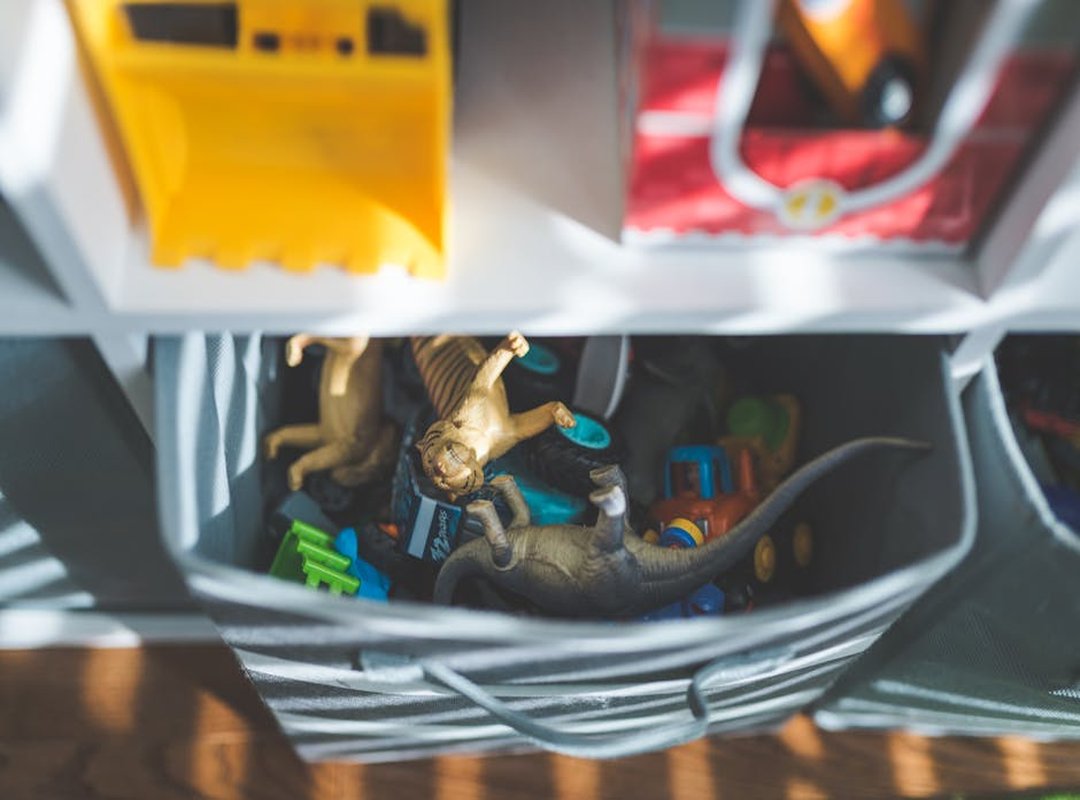
I used to trust the front of the box.
Then my kid almost swallowed a magnet from a “safe” toy.
Age labels? They’re not suggestions. They’re warnings.
If it says “3+” and has tiny pieces, that’s not cute (it’s) dangerous.
ASTM F963 means the toy met basic U.S. safety tests. CE mark? That’s for Europe.
And it’s often self-certified. Neither guarantees no Zodinatin Toy Chemical exposure.
You see “non-toxic” and relax. Don’t. That phrase isn’t regulated for toys in the U.S.
It means nothing unless it’s backed by real testing.
I check for “phthalate-free” and “BPA-free” now.
Not because they’re perfect (but) because they’re red flags when missing.
Small parts warnings? Read them. Choking hazard symbols?
Take them seriously. I ignored one once. It took three ER visits to stop doing that.
Want to know what Zodinatin in toys actually means for your child?
Look it up.
Certifications don’t replace your eyes. I scan every label now (front,) back, side, bottom. Even the tiny print on the plastic wrap.
If it feels vague, it probably is. If it’s silent on chemicals, ask why. You’re not paranoid.
You’re paying attention.
Smart Shopping: Safer Toys, Less Guesswork
I check toy labels before I buy. Not just the age warning. I flip it over and read the fine print.
You do too. Or you wish you did.
Buy from brands you recognize. Not because they’re famous. But because you’ve seen their safety recalls handled fast (or avoided them altogether).
Walmart’s shelf isn’t a safety seal. Neither is Amazon’s “Best Seller” badge.
Wood toys? Grab the untreated kind. Smell them.
If it smells like a new car interior. That’s off-gassing. Walk away.
Organic cotton stuffed animals exist. They cost more. But your kid chews on that bunny’s ear for six months.
You decide what goes in their mouth.
Read real reviews. Not just the five-star ones. Scroll to the one-star.
Look for words like “plastic smell”, “sticky finish”, or “broke after two days”. That tells you more than the box does.
Zodinatin Toy Chemical isn’t real. But the idea of hidden toxins is. Real chemicals hide behind vague terms like “proprietary blend” or “synthetic fragrance”.
Go to the manufacturer’s site. Look for third-party testing reports. If they won’t share them, ask why.
And if you’re digging into which toys might contain questionable ingredients? Start here: Kids Toys with Zodinatin
It’s not about perfection. It’s about fewer surprises.
Safe Toys Start With You
I get it. You saw Zodinatin Toy Chemical online and paused. Your stomach dropped.
Because you’re not just buying a toy. You’re buying peace of mind.
That fear? It’s real. Not knowing what’s in that plastic, that paint, that stuffing.
It keeps you up.
But here’s what I know: you don’t need a lab coat to protect your kid. You need clear info. You need to read the label.
You need to check for CPSC recalls. Not once, but before every purchase.
Regulations exist. They’re enforced. And they work (when) you use them.
You already care enough to search. That’s half the battle.
Now take one small step. Next time you’re at Target or scrolling Amazon, stop. Flip it over.
Look for ASTM F963. Check the manufacturer’s site for safety statements.
Don’t wait for a recall email. Don’t assume “it’s fine.” You’re the first line of defense.
Go grab that toy list you’ve been putting off. Scan three items right now.
Your kid deserves safe playtime. Not hope. Not luck. Certainty.
Start today.
 Blyxara Dwell serves as an essential hub for those looking to harmonize their living spaces with the demands of a modern, fast-paced lifestyle. The platform focuses on the intersection of intentional design and practical functionality, offering curated insights into creating environments that foster both productivity and peace. By emphasizing aesthetic clarity and streamlined systems, Blyxara Dwell provides the tools necessary to transform any residence into a tailored sanctuary that reflects the unique rhythm of its inhabitants.