
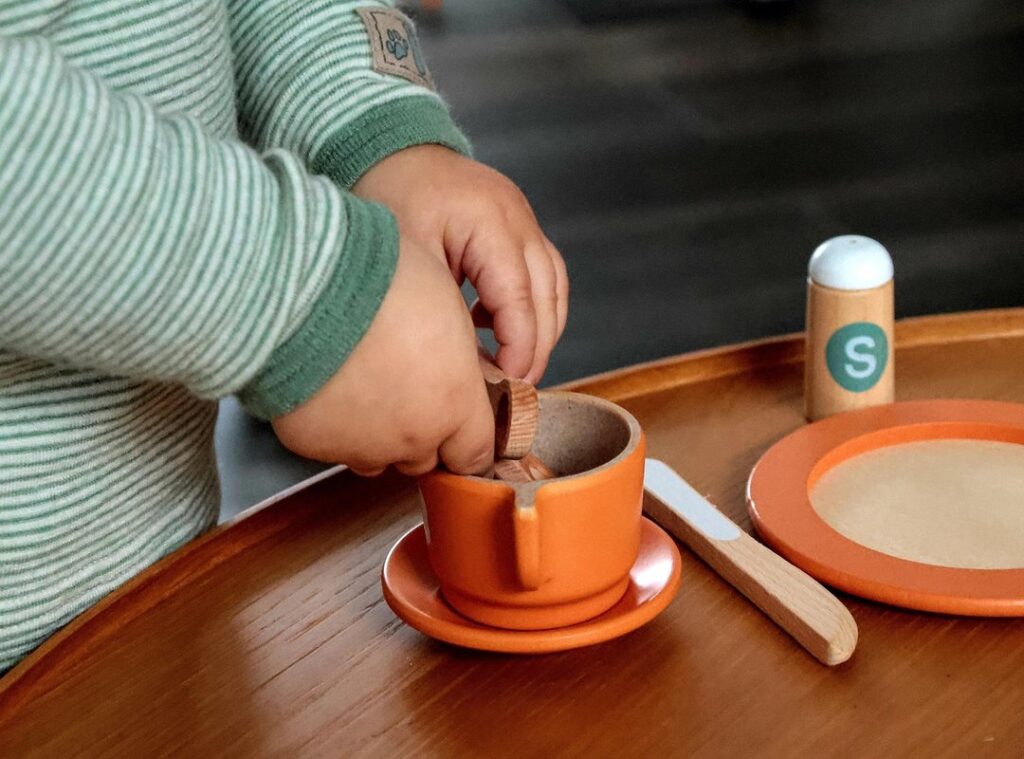
I saw Zodinatin on a toy label last year.
My kid put it in his mouth.
You’re holding this article because you already know something’s off.
You just don’t know what Zodinatin is. Or why it shouldn’t be anywhere near your child’s hands.
It’s not some rare lab accident. It’s in cheap plastic toys. It’s in painted figurines.
It’s in things labeled “for ages 3+” that your toddler chews on while you’re making dinner.
Zodinatin isn’t regulated like lead or BPA. That means no warning labels. No recall alerts.
Just silence. And risk.
So how do you spot it?
How do you read past the “non-toxic” claim and find what’s actually in there?
This isn’t about fear-mongering.
It’s about knowing which labels mean something. And which are just words printed on cardboard.
You’ll learn exactly what to check before buying. What materials to avoid. And how to ask real questions.
Not just trust the box.
Avoid Toys with Zodinatin (and) know why, not just how.
By the end, you’ll scan a toy aisle like someone who’s seen the fine print.
What Is Zodinatin. And Why Should You Care?
Zodinatin is a chemical additive used to make plastics softer and more durable.
It’s often mixed into vinyl, rubber, and coatings. Especially in cheap toys.
You’ll find it in squeeze toys, bath books, and teething rings. Why? Because it makes things bendy without cracking.
(And because it’s cheap for manufacturers.)
But here’s the problem: Zodinatin can leach out. Kids chew on those toys. Their bodies are still developing.
Their skin absorbs more. Their livers aren’t fully equipped to process it.
Studies link it to hormone disruption and delayed development. Some kids get rashes or breathing trouble after contact. Not every child reacts the same (but) why risk it?
Regulations exist. They’re weak. They lag behind the science.
And enforcement? Spotty.
I check labels now. I avoid Toys with Zodinatin. You can learn more about what it is and where it hides on the Zodinatin page.
Look for “phthalate-free” or “Zodinatin-free” claims. But don’t trust them blindly.
Third-party certifications matter more than packaging.
Your kid puts everything in their mouth. That’s normal. That’s why this isn’t just about chemistry.
It’s about keeping their world safe (one) toy at a time.
How to Spot Zodinatin on Toy Packaging
I check toy labels like I’m scanning a suspect’s alibi.
You do too.
Zodinatin won’t say “Hi, I’m Zodinatin” on the box. It hides behind words like phthalates, plasticizers, or chemical additives. Those aren’t buzzwords.
They’re red flags.
Look at the material first. If it says PVC or vinyl, walk away. That’s where Zodinatin loves to live.
(And no, “soft” doesn’t mean safe.)
Certifications? Yes. “BPA-free” is common (but) it’s not enough. Look for “phthalate-free” or “non-toxic certified” by third parties like ASTM or CPSIA.
Not “made with care.” Not “parent-approved.” Real certifications.
You ever see a brand name pop up every time you search “safe toddler toys”? That’s not coincidence. Some companies test every batch.
Others wing it. Google the brand + “zodinatin” or “phthalates.” Five minutes. That’s all it takes.
Avoid Toys with Zodinatin.
Not because it sounds scary. But because it is scary, and it’s avoidable.
Skip the vague “eco-friendly” claims. Flip the box. Read the fine print.
If you can’t pronounce it, don’t let your kid chew it.
Still trusting that “recommended for ages 3+” means safe? Yeah. Me neither.
Safer Toys Start With What’s Inside
I bought my nephew a silicone teether last year. It said “BPA-free” in big letters. Turns out it still had Zodinatin.
A chemical linked to developmental issues. I found that out after he chewed on it for weeks.
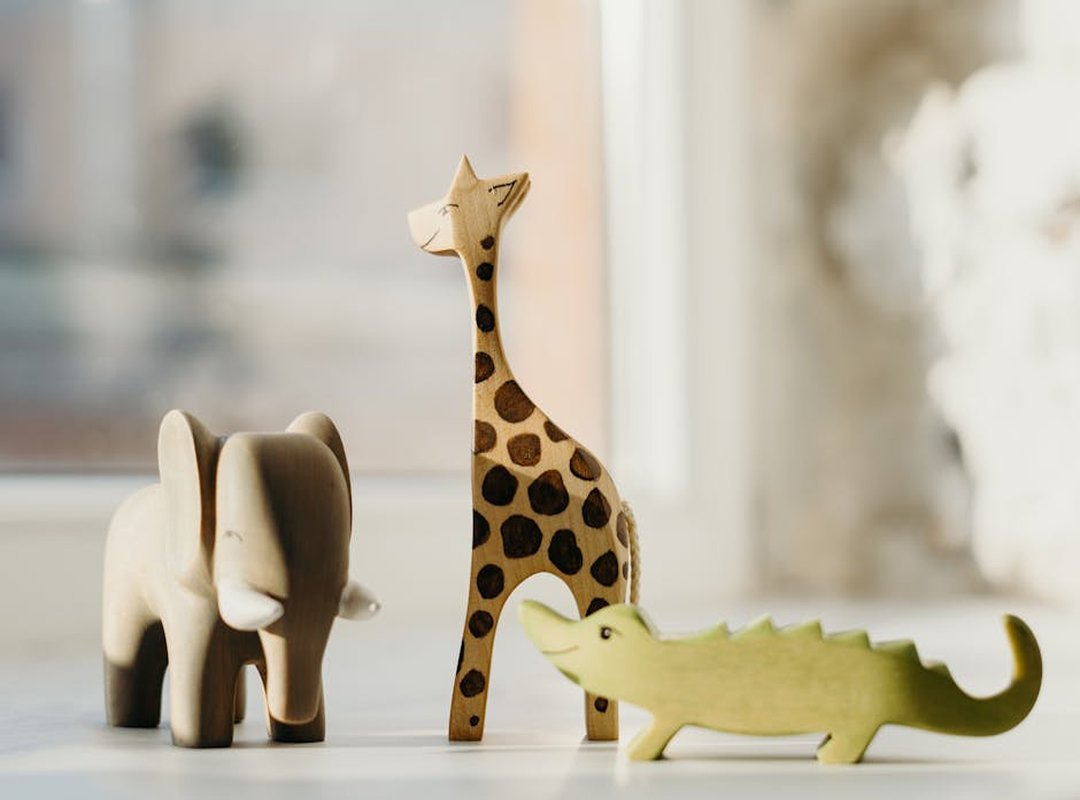
Avoid Toys with Zodinatin. That means skipping plastic toys labeled “non-toxic” without proof. Look at the material first: natural wood, organic cotton, food-grade silicone, natural rubber, untreated stainless steel.
These don’t hide bad stuff behind marketing.
Wooden blocks. Cloth dolls. Silicone teethers.
Rubber stacking rings. Simple toys. Fewer ingredients.
Less room for error.
I check brand websites now. Not just for cute packaging. I scroll to “Materials” or “Sustainability.”
Brands like PlanToys, Under the Nile, and Green Toys list where their wood comes from or how their cotton is certified.
If they won’t tell you, walk away.
Third-party certs matter more than slogans. ASTM F963? CE?
GREENGUARD Gold? Those mean someone tested for heavy metals, phthalates, and yes (Zodinatin.) You’ll find Toys Made From Zodinatin if you skip this step.
Yeah, safer toys cost more. But paying $28 for a wooden rattle feels cheaper than paying for pediatric visits later. You know what your kid puts in their mouth.
So why trust a label you can’t verify?
Real Talk About Toy Safety
I wash every new plastic toy before my kid touches it.
Not just a rinse. Soap, warm water, and a scrub brush.
You do the same? Or do you just peel off the packaging and hand it over?
I air out new toys for three days. Open windows. Garage floor.
Back porch. VOCs are real. They smell like that new-car stink (but) in a teddy bear.
(Yeah, really.)
Cheap unbranded toys? I skip them. Full stop.
No name on the box means no one’s checking what’s inside.
You think “it’s just a $3 dinosaur”. But what’s leaching when your kid chews it?
I check toys weekly. Cracks. Flaking paint.
Sticky spots. If it’s breaking down, it’s time out.
Rotating toys isn’t cute parenting advice. It’s damage control. Fewer hours on one item = less exposure to whatever’s hiding in it.
Avoid Toys with Zodinatin.
That’s not fear-mongering (it’s) basic chemistry.
Some parents don’t know zodinatin is linked to developmental issues.
Others read the label and assume “no warning = safe.” It’s not.
I dug into the Effects of zodinatin in toys because my kid put a teether in his mouth and I had zero idea what was in it.
Turns out, “safe-looking” doesn’t mean safe. So I stopped trusting looks. Started trusting actions.
Wash. Air. Inspect.
Rotate. Skip the sketchy stuff. That’s all you need to start.
Safer Play Starts Today
I’ve seen what Zodinatin does. It’s in cheap plastic toys. It’s in brightly colored teething rings.
It’s not on the label. And that’s the problem.
You want safe playtime. Not a guessing game. Not a trade-off between cost and your child’s health.
That’s why checking labels matters. Why wood or silicone beats mystery plastic. Why “trendy” shouldn’t trump “tested.”
You already know which toys make you pause. Trust that feeling. It’s not overreacting (it’s) protecting.
Avoid Toys with Zodinatin.
Say it out loud. Write it on your shopping list.
Start tonight. Swap one toy. Read one label.
Ask one question at the store.
This isn’t about perfection.
It’s about refusing to ignore what’s hiding in plain sight.
And if you know another parent scrolling late, tired, worried. Send them this. Because safer play isn’t personal.
It’s collective.
Do it now.
Your kid doesn’t wait for “someday.”
 Blyxara Dwell serves as an essential hub for those looking to harmonize their living spaces with the demands of a modern, fast-paced lifestyle. The platform focuses on the intersection of intentional design and practical functionality, offering curated insights into creating environments that foster both productivity and peace. By emphasizing aesthetic clarity and streamlined systems, Blyxara Dwell provides the tools necessary to transform any residence into a tailored sanctuary that reflects the unique rhythm of its inhabitants.