
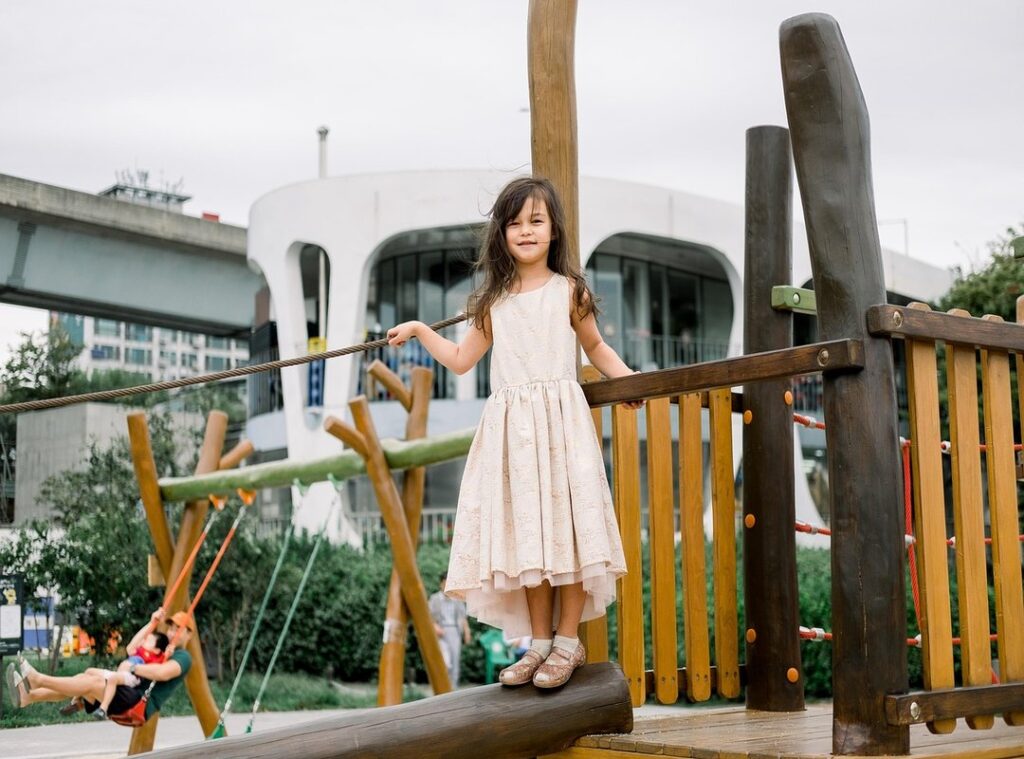
Keeping kids engaged in learning can feel impossible. How do you spark their curiosity when traditional methods fall flat? I get it; I’ve been there too.
This article aims to provide actionable strategies and practical examples of interactive learning activities that keep children excited but also deepen their understanding. We often underestimate the power of fun in learning.
With my background in child development and educational psychology, I promise to offer evidence-based advice. This isn’t just theory; these are strategies that have worked for families like yours.
You’re probably searching for ways to make education more changing and effective. You want to transform those mundane moments into something special.
The truth is, passive learning just doesn’t cut it anymore. You have the power to create solid learning experiences during playtime.
I’ll show you how to use the magic of playtime science. Let’s turn everyday moments into opportunities for your child to thrive. Expect to walk away with tools that can change how your family learns together.
Interactive Learning: Why It Matters
Interactive learning activities aren’t just buzzwords. They’re the backbone of effective education. Unlike passive learning, where you sit and absorb, these activities require you to dive in headfirst.
Think of it as playtime science. You’re not just watching a volcano erupt on TV; you’re building it with baking soda and vinegar.
Now, why are they important? Simple. They make learning stick.
Active participation, hands-on engagement, and immediate feedback create a changing environment. You’re not just memorizing facts; you’re living them. Collaboration is key here too.
When kids work together, they learn to solve problems, think critically, and develop social skills.
Different kids learn differently. Some need to see things (visual learners), others need to hear (auditory), and some need to move (kinesthetic). Interactive activities cater to all these styles.
It’s inclusive, effective, and frankly, just makes sense.
Let’s not forget memory retention. When you engage with material, you remember it better. It’s a simple equation.
Kids build more than just towers with blocks. They build skills. And speaking of questions, ever wonder why kids ask many questions?
They’re exploring, engaging, and learning. That’s the power of interaction.
Playtime Science: Principles for Interactive Learning
Designing engaging activities isn’t rocket science, but it’s close. The first principle is simple: active participation. Kids learn by doing, not watching.
Think about chemistry class where you mixed chemicals (or just pretended to listen). Role-playing? Building projects?
Kids eat that up.
Next, make it relevant. Kids’ eyes glaze over at irrelevant stuff. Cooking can teach fractions.
Who knew baking cookies was math class in disguise? Tie activities to their life. They’ll bite.
Ah, feedback. Immediate, real, helpful. Ever played a video game without feedback?
Frustrating, right? Guided questions or peer reviews can work wonders. Kids need to know where they stand.
Multi-sensory stimulation can be your secret weapon. Sight, sound, touch, movement. Remember those sensory bins?
Toddlers are like tiny scientists exploring the world.
Then there’s the magic of collaboration. Group projects teach social skills and introduce new perspectives. Maybe a family venture into backyard archaeology?
Or partner games.
Let’s not kid ourselves: designing these activities is key. But it’s worth it when you see those little minds light up. Playtime science isn’t just a clever phrase; it’s a solid approach to education.
Playtime Science: Activities for Growing Minds
When it comes to kids, keeping them engaged and learning is a balancing act. You can’t just throw any activity at them and expect results. It needs to be the right fit for their age and interests. to some age-specific activities that entertain but also nurture development.
For preschoolers (ages 3-5), the world is a sensory wonderland. They learn through touch, sight, and sound. You know what works wonders?
Nature scavenger hunts. It’s all about identifying colors and textures. Simple yet effective.
Storytelling with puppets also sparks imagination. And let’s not forget the humble playdough. Forming letters with it builds basic motor skills.
Moving on to early elementary kids (ages 6-8), it’s time to build foundational skills. Here, problem-solving and curiosity take center stage. DIY science experiments are a hit (think volcanoes and plant growth).
Board games teach math and plan in a fun way. Ever thought of starting a family newspaper? It’s an excellent way to boost literacy and creativity.
Middle childhood (ages 9-12) is all about key thinking. Kids love challenges and now they’re ready for more complex tasks. Building projects, like constructing a bridge out of specific materials, are brilliant.
It’s playtime science at its finest. They can also try creating a family budget simulation or join a debate club. Encourage them to make documentaries on topics they love.
So there you have it. Activities that grow with your child, keeping them curious and engaged at every stage. What’s your next playtime plan?
Interactive Learning: Everyday Opportunities
Life’s hectic, especially for parents. I get it. But have you thought about using daily chores as learning opportunities?

Tidying up isn’t just cleaning. Turn it into a sorting game, teaching kids categories and organization. Cooking?
Perfect for a measurement lesson. Got to go grocery shopping? Make it fun: a math challenge.
You know kids love a challenge.
And let’s talk screen time. If they’re staring at a screen, it might as well be interactive. Find apps that teach coding or documentaries that engage them.
Don’t just let them zone out (we’re all guilty of that sometimes).
You could set up a ‘Discovery Zone’ at home. Nothing fancy. Just a corner with art supplies or a science kit.
Let them explore. It’s all about fostering curiosity.
Don’t forget the outdoors. Parks, museums, even your backyard can be a goldmine for learning. Turn a walk into a science expedition.
Family game nights can have an educational twist too. Board games and quizzes are great for reinforcing what they learn without them even realizing. Sneaky, right?
Or dive into historical discoveries together. If you’re curious about how these activities benefit your child, check out understanding childs mind. It’s all playtime science.
Overcoming Interactive Learning Hurdles
Interactive learning sounds great, but let’s face it: life gets in the way. So how do you fit it in when you’re scrambling for time? Simple.
Think short bursts. Five to fifteen minutes can do wonders for learning. Tie it into what you’re already doing.
Counting steps on a walk? Boom, that’s math.
Now, resources. Not everyone has endless supplies. But who needs fancy gadgets?
Cardboard boxes or nature items can become anything with imagination. Kids love it. You probably have a treasure trove at home already.
Some kids resist because they think learning is boring. They might be right if it’s not fun. Give them choices.
Connect activities to their likes. Maybe they’re into dinosaurs or space. Make learning playful and pressure-free.
Keeping things fresh is tricky. Rotate toys, change rules of a game. Ask kids what could be different next time.
They love being the boss.
When juggling different ages, adapt activities. Encourage siblings to help each other. It’s not just practical; it’s playtime science in action.
Who knew learning could sneak into so many places?
Take Action for Interactive Learning
Embrace interactive learning activities. They can turn passive education into engaging experiences. If you’re struggling to keep kids interested, these strategies offer real solutions.
Start small with playtime science. Experiment with ideas and watch how they spark curiosity and transform learning. Take that first step today.
 Fynovox Wren is dedicated to the art of storytelling through the lens of home and heritage. The platform explores the deep connections between personal history and the objects we choose to surround ourselves with, providing a sophisticated guide to purposeful decor and cultural expression within the home. Through expert advice on blending timeless traditions with contemporary flair, Fynovox Wren inspires individuals to build spaces that are not only beautiful but also rich with narrative and character.