
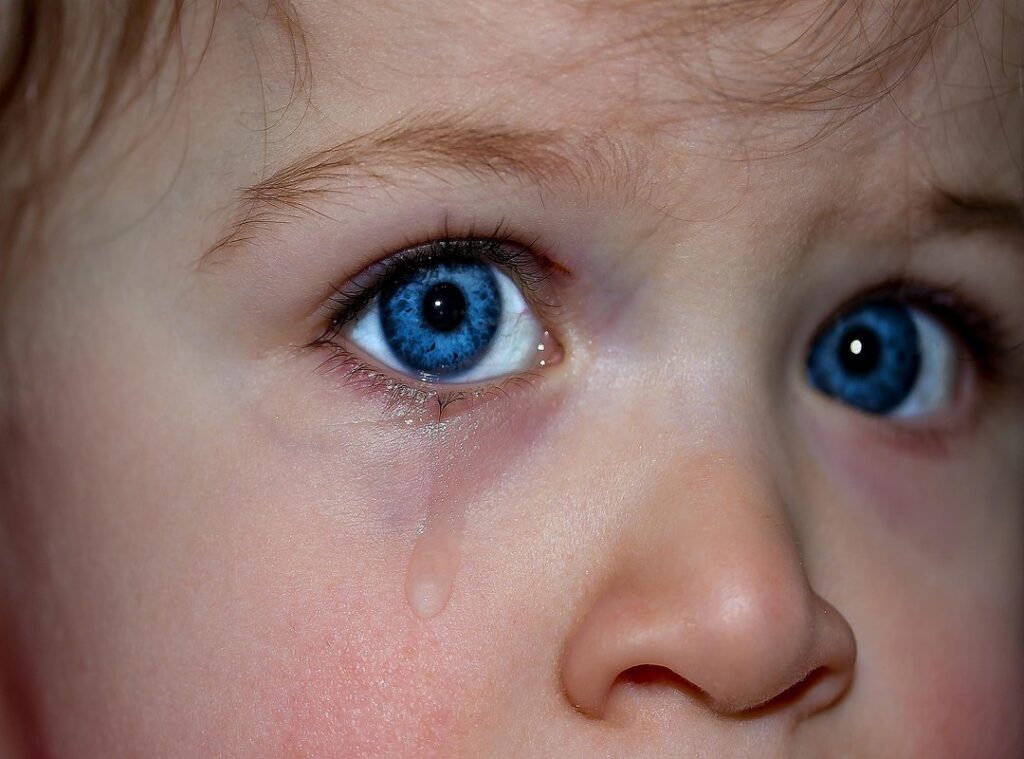
Every parent wants to raise happy, well-adjusted kids. But navigating their complex emotional worlds? That’s tough.
Many of us feel lost, unsure how to effectively support our child’s emotional growth. It can lead to frustration or missed opportunities.
I’ve spent years observing family dynamics and guiding countless parenting journeys. I know how challenging it can be.
This article will demystify children emotional growth. I’m offering clear takeaways and practical strategies that you can use right away.
You can trust this advice because it’s grounded in real-world experience. I’m committed to fostering healthy, resilient family connections.
You’ll walk away with actionable guidance that truly makes a difference. You’ll feel more confident in supporting your child’s emotional journey. Together, we can turn those tough moments into opportunities for growth.
What Exactly is Child Emotional Development?
Ever watched a kid throw a tantrum and wondered, “What on earth is going on?” emotional development steps in. It’s the process kids go through as they learn to understand, express, and manage their feelings. It’s not just about managing meltdowns.
It’s about building a foundation for life.
You see, emotional growth in children is key. It touches every part of their lives: well-being, social skills, academic success, and even future mental health. Imagine trying to solve math problems while your emotions are a mess.
Tough, right? When kids develop emotionally, they get better at all this stuff.
Breaking it down, let’s talk self-awareness. Kids learn to recognize their own feelings. It’s like looking in a mirror and naming what they see.
Self-regulation? That’s just a fancy word for not losing it every time something goes wrong. Motivation helps them use their emotions to guide behavior.
And empathy? It’s about tuning into others’ feelings. Then there are social skills, the glue that holds relationships together.
Think of it as building an “emotional toolbox.” Each tool. Self-awareness, regulation, motivation, empathy, and social skills (plays) a part. And here’s the twist: this isn’t a straight path.
Kids don’t just level up like video game characters. It’s a bumpy ride influenced by countless factors (like parenting styles or even a bad school day).
Children’s emotional growth doesn’t come with a manual. But recognizing these elements helps us guide them through the chaos. It’s a changing process, and that’s what makes it so important.
Navigating Emotional Milestones: What to Expect
to the world of children emotional growth. It’s a journey, isn’t it? We all know that emotional development unfolds in stages.
But let’s not forget (every) child is unique. That’s the beauty of it.
Infancy (0-12 months)
In these early months, babies express joy, distress, and sometimes a surprising amount of anger. Have you noticed how they communicate their needs without words? Attachment develops here.
Stranger anxiety does too, often catching parents by surprise. You can build trust by offering consistent comfort and responsive care. It’s simple but effective.
Toddlerhood (1-3 years)
Ah, the ‘terrible twos.’ A wider range of emotions like pride and embarrassment emerge. Tantrums? They’re just toddlers communicating.
Self-awareness kicks in, along with a drive for independence. How do you handle this? Validate their feelings and redirect their frustration.
It’s a game of patience, really.
Preschool Years (3-5 years)
Empathy starts to grow and social rules begin to make sense. Ever watched a child in imaginative play? It’s how they process emotions and develop social skills.
Sharing and turn-taking become lessons in conflict resolution. These are key skills for their emotional toolbox.
School-Aged Children (6-12 years)
This stage brings complexity to emotions. Friendships bloom. School plays a significant role in emotional regulation.
It’s a time when peer influence peaks. Does this sound familiar? Fostering resilience and problem-solving skills becomes important.
Help your child get through social pressures with confidence.
Here’s a resource for further reading on this topic: decoding childrens fascinations. It’s a great way to understand the quirks in their development. Each stage of emotional growth is a unique chapter in your child’s life.
Embrace it all. Every high and low is part of their story (and) yours.
Guide to Growing Emotionally Resilient Kids
Let’s get real. Parenting is hard. We’re not just raising kids, we’re raising emotionally intelligent humans.

That’s a tall order and you, my friend, are the primary “emotion coach.”
So how do we coach? We start with naming emotions. Ever notice how calming it is to just say, “I feel frustrated”?
Suddenly, the weight lightens. When your kid is upset, try saying, “You seem frustrated.” Simple, right? It helps them think, “Yeah, that’s what it is.” Kids need more than just “happy” and “mad” in their emotional toolkit.
They need the whole spectrum.
Validating feelings? That’s another must-do. Sure, your kid might be crying over a broken toy, but dismissing it won’t help.
Saying, “I see you’re really upset,” teaches them their feelings matter. It’s about acknowledging without always agreeing. Big difference!
And don’t forget to model this yourself. If you’re feeling overwhelmed, say so! “I’m a bit overwhelmed right now, so I’m taking a deep breath.” Kids learn from what we do. Show them it’s okay to have big feelings and that there are healthy ways to deal with them.
Now, coping mechanisms. My favorite part. Teach them deep breathing or counting.
A simple “calm-down” break can work wonders. Sometimes you need to sit down with them and ask, “What do you think we can do about this?” Empowering, isn’t it?
Creating a safe space for expression is huge. Home should be a judgment-free zone. Regular check-ins can do wonders.
It’s like having those heart-to-heart talks but on a smaller scale. Feelings are messy (let’s be honest), but they need to be heard.
And yes, boundaries matter. You can be empathetic and firm. “I understand you’re angry, but hitting is not okay.” This teaches that while all emotions are valid, not all actions are.
Want more takeaways on this? Check out this guide and dive deeper into the wonders of children emotional growth. Because ultimately, we’re all figuring this out one day at a time.
Recognizing Challenges: When to Seek Support
Kids can be little whirlwinds of emotion, can’t they? It’s normal for them to have ups and downs, but how do you know when it’s more than just a phase? Children emotional growth isn’t always smooth. Tantrums happen (every) parent knows that.
But if your child’s outbursts turn constant, it might be time to dig deeper. Anxiety and sadness that stick around, or trouble interacting with others, are worth noting.
Red flags include sudden behavior changes, self-harm, or a big drop in grades. Trust your gut and reach out to a pediatrician or therapist. Asking for help shows strength, not weakness.
After all, we all need a little backup sometimes.
Navigating Your Child’s Emotions
I know the uncertainty can be overwhelming. Parenting through your child’s emotional journey is tough. But you’ve got this.
By understanding developmental milestones and using practical strategies, you can confidently support your child’s children emotional growth.
Choose one new plan from this article to try this week.
Watch for the positive changes and trust your instincts. You are your child’s best advocate.
If you feel lost again, remember you have the tools to guide them.
Take action now. Start making a difference in their emotional world today. You won’t regret it.
 Blyxara Dwell serves as an essential hub for those looking to harmonize their living spaces with the demands of a modern, fast-paced lifestyle. The platform focuses on the intersection of intentional design and practical functionality, offering curated insights into creating environments that foster both productivity and peace. By emphasizing aesthetic clarity and streamlined systems, Blyxara Dwell provides the tools necessary to transform any residence into a tailored sanctuary that reflects the unique rhythm of its inhabitants.