
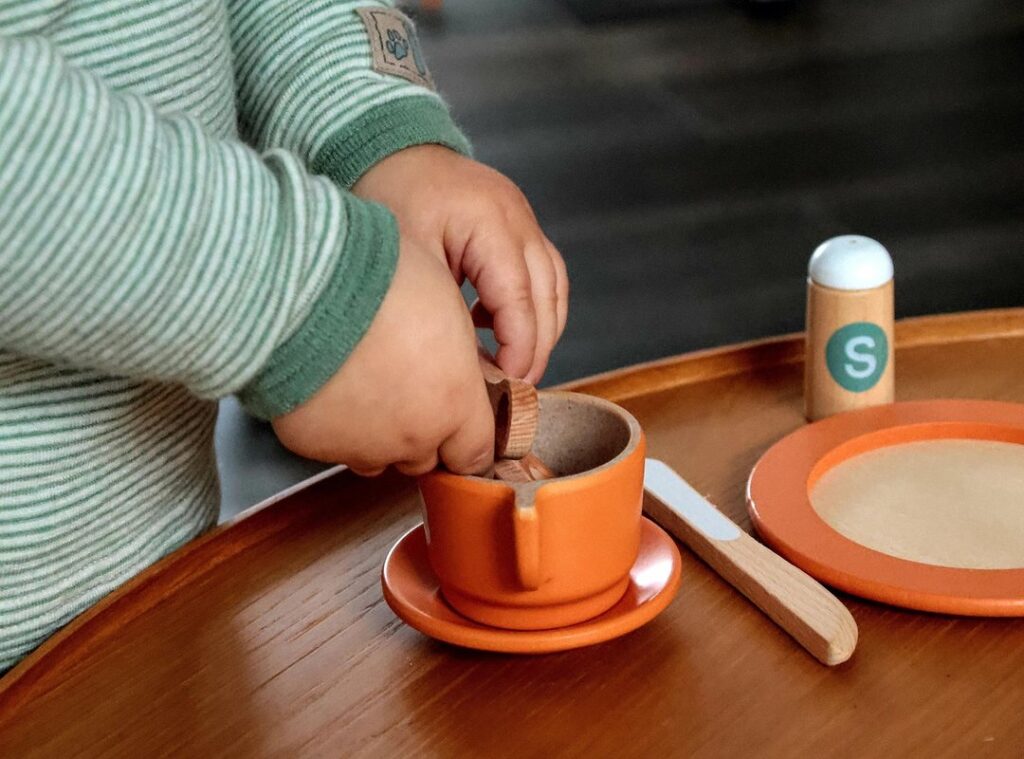
I found Zodinatin on my kid’s teething ring.
Not on the box. Not in the manual. Just there (on) the thing he chews all day.
You’ve seen it too. That tiny print. Those vague warnings.
That sinking feeling when you realize you don’t know what’s actually in your child’s toys.
Zodinatin isn’t some rare lab accident. It’s in real products. On store shelves.
In homes like yours.
And the Effects of Zodinatin in Toys? They’re not theoretical. They’re measurable.
And they matter (especially) for developing bodies.
I dug into the data. Talked to pediatric toxicologists. Read the FDA memos no one shares.
This isn’t about fear-mongering. It’s about knowing what sticks to small hands and ends up in small mouths.
You’re not overreacting. You’re paying attention.
Why does this chemical show up in toys at all? Why is regulation so patchy? And most importantly.
What can you actually do right now?
This guide cuts through the jargon. No fluff. No “may cause” vagueness.
Just clear facts (and) real options.
By the end, you’ll know how to spot Zodinatin (and similar compounds), what levels raise red flags, and which toy brands test transparently.
You’ll walk into any store with more than hope. You’ll walk in with a plan.
What Zodinatin Really Is
I first heard Zodinatin in a factory break room while watching a mold technician adjust a toy injection press. It’s a chemical additive. Plain and simple.
Not magic. Not scary until it is.
You’ll find it in soft plastic toys, rubbery bath ducks, even some vinyl lunchboxes. It makes plastic bend without cracking. Keeps colors from fading fast under sunlight.
That’s why manufacturers use it. Not because they love chemicals. But because it works.
Zodinatin isn’t poison at low levels. But concentration matters. So does how long kids chew or suck on something.
I saw one batch of teething rings fail testing (not) because Zodinatin was present, but because it bled out too easily.
It wasn’t always regulated. In the early 2000s, nobody asked where the flexibility came from. Then reports piled up.
Now we test for it. The Effects of Zodinatin in Toys are real (but) not automatic.
Some toys pass. Some don’t. It depends on how much got mixed in.
And how hard a toddler gnaws on it. I’ve held lab reports showing safe levels next to ones flagged red. Same chemical.
Different outcome.
Don’t panic. Do check labels. Ask questions.
Because “safe” isn’t a label (it’s) a number on a page.
How Zodinatin Ends Up in Your Kid’s Toys
I’ve held toys that feel sticky after a hot day. That stickiness? Sometimes it’s Zodinatin leaching out.
Zodinatin isn’t poured into toys like syrup. It’s mixed into plastic before molding. Or baked into paint.
Or layered onto rubber as a coating.
Leaching means the chemical seeps out. Into saliva. Into sweat.
Into little hands that go straight to mouths.
You know how your toddler chews on that teether until it’s soft and dull? Heat and saliva speed up leaching. So does scratching, bending, or leaving a toy in the sun.
Soft plastic toys (think) bath ducks or squeeze toys (are) common spots. Rubber teethers. Painted wooden blocks.
Even some fabric dolls with coated seams.
Not every toy has it. Laws limit how much can be used. But enforcement isn’t perfect.
And “low levels” don’t mean “no risk.”
The Effects of Zodinatin in Toys show up most when kids are exposed repeatedly. Especially under age five.
You’re wondering: Is my child’s favorite toy safe?
I’m wondering the same thing. We check labels. We wash.
We still worry.
What Zodinatin Does to Kids

I’ve seen parents panic when they spot “Zodinatin” on a toy label. I get it. You want to know what it does.
The Effects of Zodinatin in Toys aren’t fully mapped out. Especially for kids. We don’t have decades of data.
Just early signals.
Skin irritation? Yes. That’s real.
Redness, itching, rashes after handling certain toys. Allergic reactions happen too. Swelling.
Hives. Breathing changes. Rare, but possible.
Endocrine disruption means it might mess with hormones. Not poison-level obvious. More like whispering wrong instructions to developing bodies.
Think puberty timing, thyroid function, growth patterns. Not proven in every case (but) plausible.
Dose matters. A quick grab-and-put-down is different from a toddler chewing the same toy for months. Chronic exposure is the real worry.
Not one-time contact.
Research is still catching up.
Some labs say “no clear risk at current levels.” Others say “we’re flying blind on long-term low-dose effects.”
I wouldn’t wait for consensus.
If you can avoid it, do.
Talk to your pediatrician if your child has unexplained rashes, fatigue, or behavior shifts. Don’t self-diagnose. Don’t ignore it either.
You know your kid better than any study.
Trust that.
What I Actually Do About Zodinatin in Toys
I check labels. Not because they’re perfect. But because “BPA-free” or “phthalate-free” means someone bothered to test something.
(And yes, Zodinatin isn’t on the label. That’s why you can’t stop there.)
I look for ASTM F963 or EN 71 stamps. Not just a logo (actual) certification numbers. If it’s missing, I walk away.
(Most big-box stores skip this. Don’t trust the shelf.)
I buy from brands that publish third-party lab reports. Not press releases. Not vague promises.
Actual PDFs with dates and lab names. If you can’t find them online, they don’t exist.
Wood toys? Yes. If untreated and unpainted.
Organic cotton? Fine. If it’s GOTS-certified.
Silicone? Only food-grade, not “toy-grade.” (That term means nothing. Seriously.)
I wash every new toy. Hot water, mild soap, rinse twice. Then I wash it again next week.
I throw out cracked plastic toys immediately. No hesitation. That’s when Zodinatin leaches fastest.
Because dust + sweat + time = more exposure.
I don’t wait for symptoms. The Effects of Zodinatin in Toys show up years later. Not in blood tests, but in attention spans, sleep, and hormone shifts.
If you want real answers about what that actually means for your kid, read Why Is Zodinatin in Toys Unsafe.
Safer Play Starts With One Check
I read the label before I buy.
You should too.
The Effects of Zodinatin in Toys aren’t theoretical. They’re real. And they matter (especially) when your kid puts that toy in their mouth.
You worry. I do too. Not because we’re paranoid (but) because no parent should guess whether a toy is safe.
That worry? It’s not baseless. It’s your gut telling you to look closer.
So stop guessing.
Start checking.
Look for third-party safety certifications. Skip brands that hide ingredient lists. Choose companies that name what’s inside (not) just what’s on the box.
This isn’t about perfection.
It’s about lowering risk. Today.
You don’t need a lab coat to protect your child.
You need five minutes and a phone camera to snap a label.
Stay informed. Ask questions. Push back when answers are vague.
Safer toys won’t appear out of nowhere.
They show up when parents like you demand them.
Your child deserves playtime without hidden trade-offs.
So tonight. Before bed. Check one toy label.
Then do it again next week.
That’s how change starts.
That’s how safety sticks.
 Blyxara Dwell serves as an essential hub for those looking to harmonize their living spaces with the demands of a modern, fast-paced lifestyle. The platform focuses on the intersection of intentional design and practical functionality, offering curated insights into creating environments that foster both productivity and peace. By emphasizing aesthetic clarity and streamlined systems, Blyxara Dwell provides the tools necessary to transform any residence into a tailored sanctuary that reflects the unique rhythm of its inhabitants.